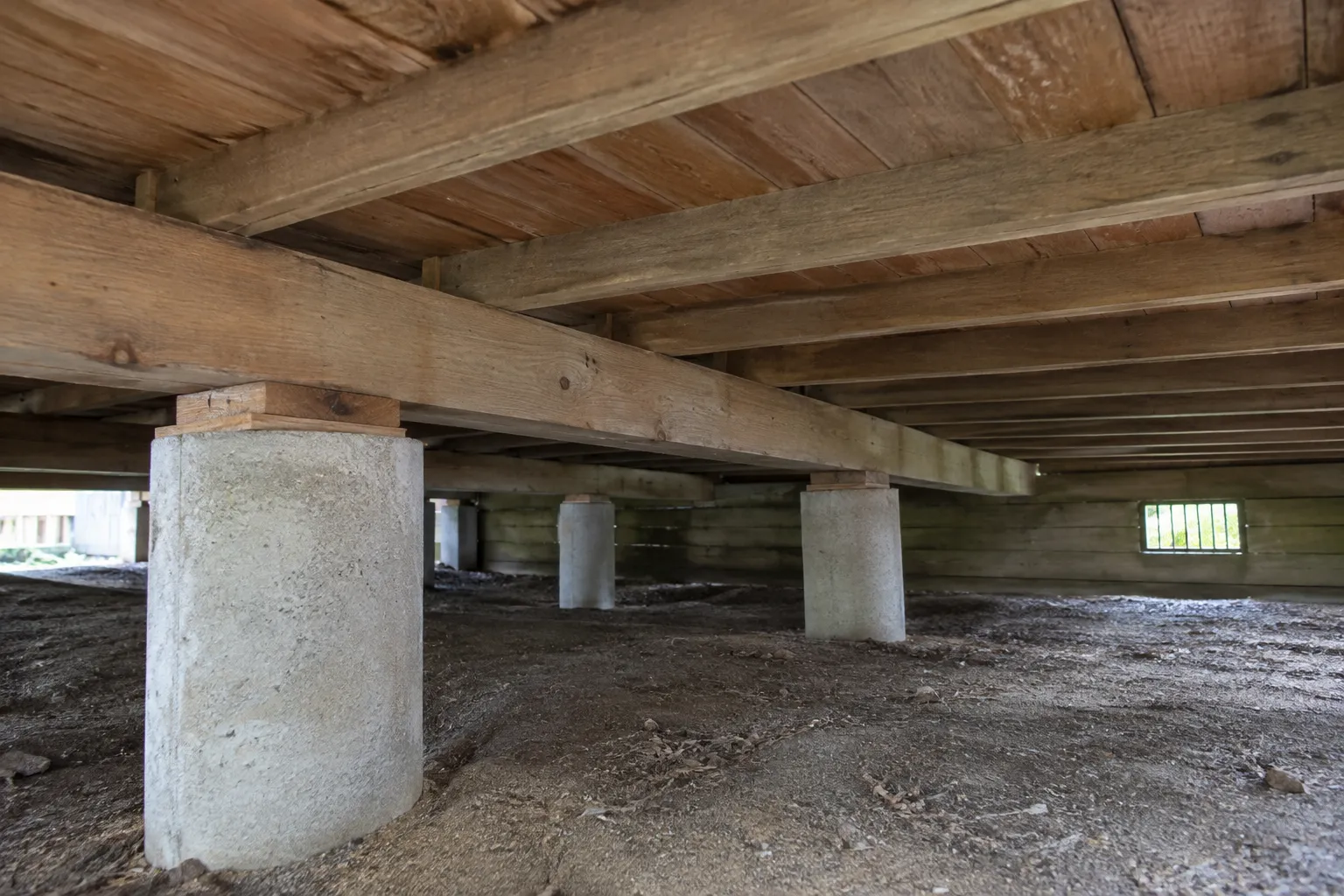
Borer treatment in Auckland typically costs about $350 to $600 for a roof void, $450 to $750 for a subfloor, and $650 to $1,500 or more for a standard three-bedroom house, going by published Auckland price lists. Big jobs, tight access and severe infestation can push a whole house past $3,000. These are guide prices from businesses' own published lists. The specialist quotes the real price after seeing the job. This page is part of our guide to borer treatment in Auckland. It covers what each part of the job costs, what changes the price, and what to ask.
How much does borer treatment cost in Auckland?
Borer treatment in Auckland costs from about $350 for a roof void alone to $1,500 or more for a whole three-bedroom house, based on published Auckland price lists checked in October 2026. Treating a subfloor and roof void together usually comes to about $800 to $1,300 plus GST. An inspection on its own is listed at about $250 by one Auckland business.
| Job | Typical price in Auckland | Notes |
|---|---|---|
| Roof and subfloor inspection | About $250 | One Auckland business's listed price |
| Roof void treatment only | About $350 to $600 + GST | Rafters and ceiling joists |
| Subfloor treatment only | About $450 to $750 + GST | Piles, bearers, joists, underside of floorboards |
| Subfloor and roof void together | About $800 to $1,300 + GST | Usually cheaper than booking separately |
| Standard three-bedroom house | About $650 to $1,500+ incl. GST | Residual spray of subfloor and roof void |
| Whole house, interior and exterior | About $1,200 to $1,800 + GST | Includes exposed timber and detached garages |
| Flight-hole injection | About $150 to $250 per hour | For beams and painted timber |
| Fogging or "borer bomb" visit | About $200 to $300 | Kills adult beetles in the air only |
A national cost guide updated in July 2026 puts whole-house borer treatment at $600 to $3,500 including GST, depending on the area treated. Check whether each quote includes GST before you compare them.
What changes the price of borer treatment?
The price of borer treatment depends mostly on how much timber needs treating and how hard it is to reach. A low, tight subfloor, insulation that has to be lifted or worked around, and a severe infestation all add time. Two-toothed longhorn or crumbling timber may need injection, which costs more than spraying. Small, open, easy spaces cost the least.
The main things that push the price up:
- Size of the house. More subfloor and roof area means more product and more hours.
- Access. One Auckland business notes that a subfloor under about 400 mm high can double the time. Cutting a new access hatch adds building work.
- Insulation. Foil or polystyrene under the floor, or thick insulation in the roof, can hide timber and has to be worked around or removed.
- How bad the infestation is. Active borer in many areas, or damage from the two-toothed longhorn, means more injection work.
- Repairs. Replacing weakened joists, bearers or weatherboards is building work, quoted separately.
Is it cheaper to treat borer yourself?
Treating borer yourself is cheaper for small jobs, but not always for a whole subfloor. One Auckland business lists DIY materials for a subfloor at about $400 to $600 for 20 to 30 litres of product, plus about $150 for a respirator, protective suit and sprayer. For a full subfloor or roof void, that's close to the cost of a professional treatment, without the access gear or experience.
DIY makes sense for:
- A piece of furniture, a few floorboards or some trim.
- A shed or open timber you can reach easily.
A professional usually makes more sense for:
- Tight subfloors and roof voids with insulation.
- Large areas, or borer in the framing.
- Any timber that feels soft, where someone needs to judge whether it's still sound.
What does it cost if borer is left untreated?
Borer that's left untreated for years can turn a treatment bill into a building bill. Larvae keep tunnelling, and each generation lays eggs in the same untreated timber. Weakened floor joists, bearers and piles then have to be replaced. One Auckland business puts re-piling and re-joisting a subfloor at about $10,000 to $30,000, compared with a treatment that often costs under $1,500.
Consumer NZ advises that minor or early infestations can be treated, while badly weakened timber should be strengthened or replaced. Spotting the signs early, and treating in good time, is what keeps the cost down. Our page on borer holes shows what early damage looks like.
What to ask before you accept a borer treatment quote
Before you accept a borer treatment quote, ask exactly which areas are included, which product will be used and how long it's expected to last, whether GST is included, and what happens if you see new holes in the next flight season. A clear quote lists the subfloor, roof void and any injection work separately.
Good questions to ask:
- Is the borer active, and where?
- Which areas does the price cover: subfloor, roof void, walls, furniture?
- Which product will you use, and how long does it protect the timber?
- Does the price include GST?
- Does any timber need replacing, and is that in the quote?
- What happens if new holes appear next flight season?
Questions people ask
How much does borer treatment cost in NZ?
Borer treatment in New Zealand typically costs about $600 to $3,500 including GST for a whole house, according to a national cost guide updated in July 2026. In Auckland, published prices start at about $350 for a roof void and $450 for a subfloor. The final price depends on the size of the house, access, insulation and how widespread the infestation is.
How do you know if you have borer?
You know you have borer if you find small round holes about 1 to 2 mm across in timber, piles of fine powder under them, or small brown beetles near windows in the warmer months. Fresh holes with pale edges, and powder that returns after you clean it up, show the borer is active and worth treating.
How often does borer treatment need doing?
How often borer treatment needs doing depends on the product and the timber. Residual treatments are designed to outlast the borer's life cycle of about two to four years, and product makers say they protect bare timber for many years. Ask the specialist how long their product lasts, and check for new holes each flight season, roughly October to March.
Is borer treatment worth it?
Borer treatment is usually worth it when the borer is active. A treatment often costs under $1,500 for a typical house. Replacing a subfloor weakened by years of untreated borer can cost many times that. If the holes are old and there's no new activity, an inspection may show you don't need treatment at all.
Does house insurance cover borer damage?
House insurance often excludes damage from insects such as borer, because it builds up slowly rather than happening suddenly. Policies differ, so read your policy wording or ask your insurer. If you're buying, a building inspection before you commit is the most reliable way to find borer damage and price the repairs.
Sources
- Published price lists from three Auckland pest control businesses, checked October 2026
- A New Zealand trade cost guide (updated July 2026), checked October 2026
- Consumer NZ: Borer and other pests
Last updated